
Introduction
Observing Shabbat (Sabbath) is a covenant duty given in the Yahudiym Sefer (Book) of Law. The daily cares of home and hearth meet the holy command when a household prepares the Nerot (Sabbath lights) with reverence, wisdom, and safety. This teaching is offered in the spirit of Torah (Law or Instruction), honoring Yahuah (Yah) and the ways He sets apart time for rest, worship, and family instruction. It names practical steps for preparation, safety measures to protect life and home, and age-appropriate ways to teach children the sacred rhythm.
Torah Foundations: Why We Guard the Flame
The command to remember and keep Shabbat is central in the Yahudiym Sefer of Law (Exodus 20:8–11). The weekly rest is described again as holy convocation and rest in Leviticus (Leviticus 23:3) and is reinforced by the command not to kindle fire on the holy day (Exodus 35:3). These passages teach that Shabbat is both time set apart to cease ordinary work and a time to honor the Creator, El Elohiym (the Creator above all mighty ones). The home is the primary place where the covenant is practiced: Deuteronomy instructs parents to bind the words to their hearts and to teach them diligently to their children in the home (Deuteronomy 6:6–9).
Paraphrase for context: Remember the Shabbat, set it apart and refrain from your ordinary labors; gather to rest and worship the One who made the heavens and the earth (see Exodus 20:8–11; Leviticus 23:3; Exodus 35:3).
Prophetic Encouragement
The prophet Isaiah invites delight in the day and promises blessing to those who honor it as the covenant intends (Isaiah 58:13–14). The Sabbath is not merely a restraint; it is a gift of rhythm, joy, and spiritual renewal.
Preparing the Home: Practical Steps Before Sundown
Preparation honors the sanctity of Shabbat and reduces the need for work or hazardous actions after sundown. The following checklist helps households prepare with practical foresight and Torah-hearted devotion.
- Plan meals so cooking ends before sundown. Use ovens, slow-cookers set early, or arrangements that comply with your community practice.
- Set the table and arrange physical space for family gathering. Clear pathways and place needed items within easy reach for the evening.
- Prepare Nerot (Sabbath lights) in safe holders (see safety section). Choose oil lamps or candles that will remain steady and contained.
- Turn off or secure hazardous equipment that you will not use during Shabbat. Ensure heating sources are set in a safe, approved way before sundown.
- Quiet the home—dim bright lights, close shutters if needed, and create an atmosphere of rest and blessing.
Lighting the Nerot: Timing, Intention, and Household Role
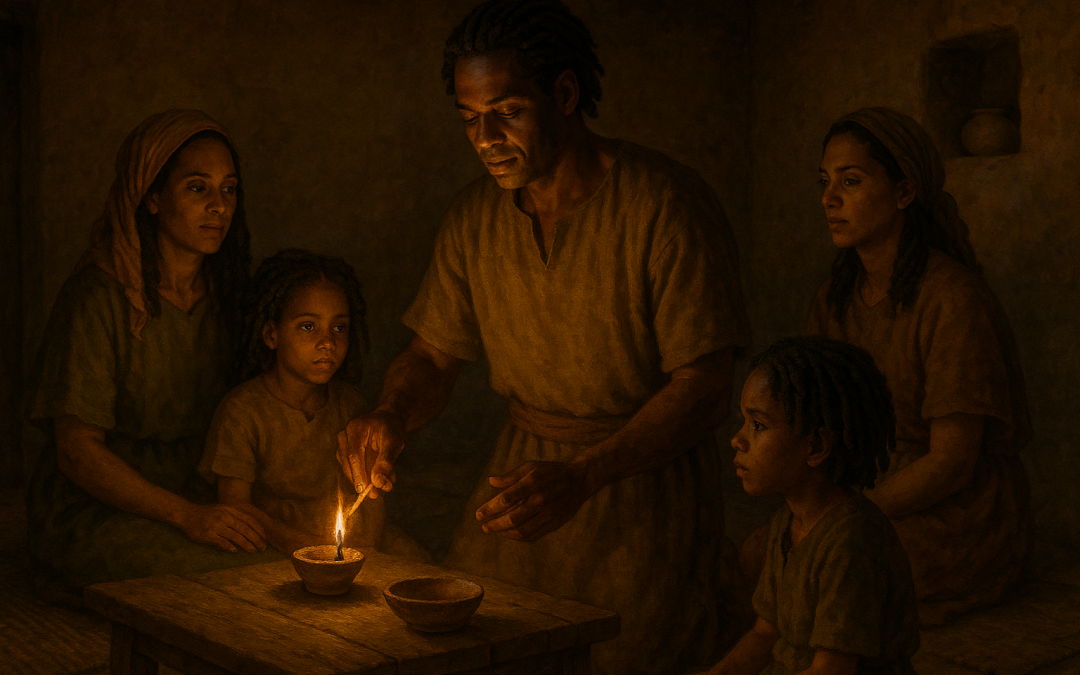
Lighting the Nerot is a domestic act of sanctification that prepares the household for Shabbat. Traditionally, lighting occurs before sundown so that one does not kindle fire on the holy day itself (Exodus 35:3). The head of household—often an adult Israelite man when instructing a mixed family group—may lead the lighting, offer words of blessing, and teach children the meaning behind the action.
- When: Light the Nerot shortly before sundown so that lights are burning as Shabbat begins.
- How: Use sturdy, non-tip candle-holders or clay oil lamps. Consider slow-burning beeswax or oil for steadier flame and safety.
- Who: In a mixed-family setting, an adult Israelite man may lead the instruction and blessing. Women participate, support the household, and teach children in ways appropriate to their roles and the editorial guidelines of Yahudiym Ministries.
- Words: Speak briefly of the command to remember Shabbat (Exodus 20:8–11) and the household call to rest and worship. Keep explanations clear and age-appropriate.
Safety First: Protecting Family and Home
Honoring Shabbat does not mean risking life or property. Torah values the preservation of life (pikuach nefesh), and practical safety measures should be in place before candles are lit.
- Secure lighting: Use low, stable holders on a flat surface away from curtains, fabrics, and children’s reach.
- Quantity and placement: One bright lamp in a central place or two Nerot on the table are customary; ensure they are not crowded near combustible items.
- Alternative lights: For households with young children or special needs, enclosed oil lamps or long-burning electric Shabbat lamps (prepared before Shabbat) may be used according to your community’s halakhic guidance.
- Fire plan: Have a simple plan for emergencies—know how to quickly remove flammable items and have water or a fire extinguisher accessible. Teach children to call an adult at any sign of danger.
- Ventilation and smoke: Ensure lamps are placed where smoke will not alarm or affect family members. Keep adequate ventilation to avoid soot buildup.
Teaching Children: Age-Appropriate Ways to Pass the Rhythm
Deuteronomy commands that the Torah’s words be kept in the heart and taught diligently to children (Deuteronomy 6:6–9). Shabbat is an ideal weekly classroom.
- Toddlers: Let them watch from a safe distance. Teach simple words: Shabbat (Sabbath), Nerot (Sabbath lights), rest.
- Early readers: Invite them to help set the table or place the Nerot as you explain why we rest and honor Yahuah (Yah).
- Older children: Explain the scriptural reasons—summarize Exodus 20:8–11 and Leviticus 23:3 in plain language—and give them small responsibilities like carrying non-flammable items or leading a short song.
- Teenagers: Encourage them to participate in planning, safety checks, and offering brief family reflections on the week under the guidance of the adult leader.
Keeping the Rhythm: Community, Repentance, and Delight
Shabbat is a weekly call to repentance, worship, and joy (Torah application). Isaiah’s prophecy encourages delighting in the Sabbath and promises restoration for those who honor it (Isaiah 58:13–14). Use Shabbat to model repentance when needed, to bless one another, and to restore relationships. Teach that the Sabbath is not merely a list of prohibitions but a time to delight in the presence and provision of El Elohiym.
Conclusion and Blessing
Guarding the Sabbath flame is both an act of obedience and an expression of love for family and Yahuah. By preparing your home responsibly, placing safety at the center, and teaching children the covenant rhythms of Shabbat—rooted in the Yahudiym Sefer of Law—you keep the command and pass on a living tradition. May your household find rest, joy, and renewal each Shabbat, honoring the instruction of the Torah (Law or Instruction) and the prophetic promise to delight in the day.
Key Scripture references: Exodus 20:8–11; Exodus 35:3; Leviticus 23:3; Deuteronomy 6:6–9; Isaiah 58:13–14 (see the Yahudiym Sefer of Law and the Prophets for the full context).