
Feast Day Calendars

Feast Days Calendar
The Hebrew feast days are special events in the Hebrew calendar. Key feasts include Passover, Shavuot, and Sukkot. Dates vary yearly in the Gregorian calendar. For Passover ,Yom Kippur

Feast Day Meaning
Feast day is a designated day for special celebration or observance, often marking an important event or honoring a specific individual. While commonly associated with religious traditions, the term can also apply to secular or cultural commemorations.

Hebrews Calendar
The Hebrew calendar is a lunar-based calendar used primarily for Jewish religious observances. Unlike the solar-based Gregorian calendar, the Hebrew calendar relies on the phases of the moon. It consists of 12 or 13 months, each with 29 or 30 days, making a year of about 354 or 384 days.

Biblical Holidays
The Biblical holidays are deeply rooted in the Hebrew calendar, which is a lunar-based system consisting of 12 or 13 months. These holidays are often referred to as “Feasts of our creator” and are considered holy convocations.
Documents
Yearly Feast Day Calendars Articles.Still Can’t Find What You’re Looking For?
2021 Feast Days Calendar
2022 Feast Days Calendar
2023 Feast Days Calendar
2024 Feast Days Calendar
2025 Feast Days Calendar
2026 Feast Days Calendar
2027 Feast Days Calendar
2028 Feast Days Calendar
2029 Feast Days Calendar
2030 Feast Days Calendar
2031 Feast Days Calendar
2032 Feast Days Calendar
REVIEW
Latest Teachings
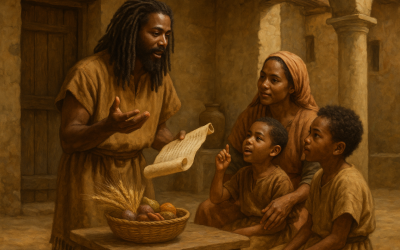
Bring and Declare Bikkurim (Firstfruits): Deuteronomy 26 Command and Count from Pesach (Passover) to Shavuot (Pentecost)
A Torah-centered Yahudiym Ministries household guide for fathers to bring Bikkurim (Firstfruits), teach the Deuteronomy 26 declaration to sons and little ones, and observe Sefirat HaOmer (Counting of the Omer) from Pesach to Shavuot. Distinguishes Torah command from household application.
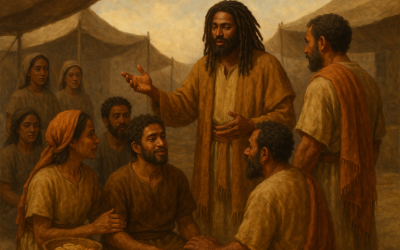
Pidyon Shvuyim (Redemption of Captives): Torah (Law or Instruction) Duties of Fathers, Kin, and Elders to Redeem and Restore Sons Sold or Kidnapped
A Torah-rooted teaching on pidyon (redemption) and shavuyim (captives): the Torah (Law or Instruction) commands that nearest kin, fathers, and the assembly’s elders (zaken) act to recover, shelter, and restore a son sold or taken by force. This teaching explains the commands in the supplied Yahudiym Sefer (Book) of Law passages and sets out concrete steps for household and assembly action.

Training Household Sons and Daughters to Discern Prophecy: Practical Torah Practices for Testing and Responding to Prophetic Words
A Torah-centered, practical guide for fathers, mothers, and household leaders on teaching sons and daughters to recognize, evaluate, and respond to prophetic words. Grounded in the Yahudiym Sefer (Book) of Law and illustrated by Shmuel Aleph (1 Samuel) and Amos, this article gives age‑appropriate lessons, a household checklist for testing prophecy against Torah (Instruction), role‑play scenarios, and steps for involving zaken (elders) and the assembly.