
Introduction: Shalom and Bayit in Torah Perspective
Shalom (peace/wholeness) is not merely the absence of conflict; it is covenant wholeness that blesses the Bayit (household/house) and the wider community. The Yahudiym Sefer (Book) of Law presents covenant promises that connect well-being in the land and the household to righteous covenant living (see Leviticus 26:6). This teaching explains how families and assemblies can pursue Shalom under the sovereignty of Yahuah (Yah) and the mediation of Yahshua/Jesus, rooted in Torah (Law or Instruction).
Scriptural Foundations
Leviticus 26:6 — The Torah links a covenant walk of obedience with peace within the land and among the people.
Numbers 6:24–26 (Birkat Kohanim / Priestly Blessing) — The priests are instructed to bless the people so that Yahuah may grant protection, favor, and His face to shine upon them.
Micah 6:8 — The prophet calls Israel to act justly, love mercy, and walk humbly with El Elohiym (the Creator above all mighty ones).
These texts frame Shalom as divine blessing, ethical pursuit, and communal practice. Restoring Shalom in the Bayit requires instruction, repentance, and practices that bind the household to covenant rhythms.
Teaching Points for Parents and Household Leaders
- Model covenant speech. Children learn by hearing parents honor Yahuah’s Name, make timely confessions, and ask forgiveness.
- Teach Shabbat (Sabbath) rhythms. Use the weekly Shabbat to practice rest, sharing, and reconciliatory speech. Rituals teach reality.
- Build routines that value repair. When small hurts occur, pause for acknowledgment. Teach children to say, “I was wrong; will you forgive me?”
- Prioritize justice and mercy. Micah’s call (Micah 6:8) belongs in family instruction: fairness between siblings, mercy toward mistakes, humility in correction.
- Use Torah language. Introduce Hebrew words (Shalom, Bayit, Torah, Birkat Kohanim) with their English meanings to root children in covenant identity.
Steps for Confession and Restitution in the Bayit
Restoring covenant harmony should be orderly and humble. The following steps are practical and Torah-grounded:
- Pause and acknowledge. The offender names the harm and acknowledges the covenant breach before Yahuah and the injured party.
- Confess to Yahuah. Simple confession to Yahuah: admit the sin and ask for renewal through Torah-aligned repentance.
- Confess to the injured party. Speak truth plainly: “I sinned against you when I… Will you forgive me?”
- Make restitution where possible. Restore what was taken or repair damage (financial, relational, or reputational) as the Torah teaches restitution practices.
- Request and grant forgiveness. The injured party may express feelings, then grant forgiveness as a covenant act; allow time if needed, but encourage reconciliation as a goal.
- Set mutual boundaries and accountability. Agree on changes and invite an elder or mature witness when appropriate.
- Seal with prayer and covenant words. Bring the household or assembly together to pray the Birkat Kohanim (Numbers 6:24–26) or another blessing as a sign of communal restoration.
Simple Mediation Practices for Families and Assemblies
When conflicts escalate, use a calm, Torah-ordered mediation process:
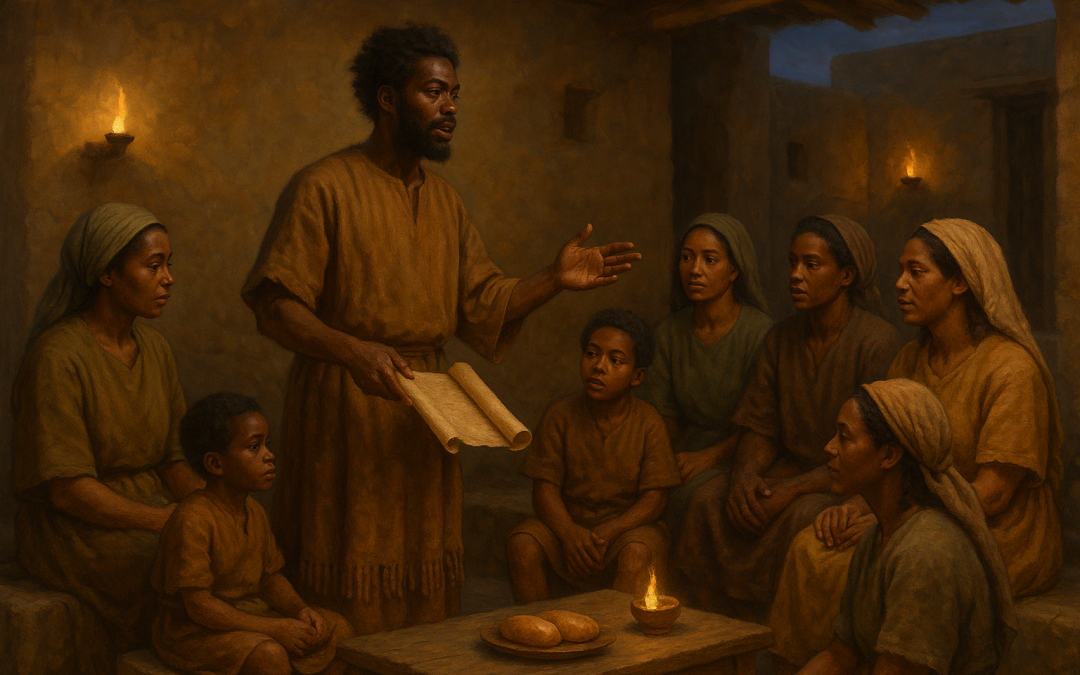
- Choose a neutral elder or leader. This should be an adult man for mixed-group Torah teaching scenes and mediation (per local assembly practice), respected in the Bayit for wisdom and discretion.
- Begin with Scripture and prayer. Read a short passage (Leviticus 26:6 or Micah 6:8) and ask Yahuah for Ruach Ha’Qodesh (Holy Spirit) guidance.
- Allow uninterrupted listening. Each party has a timed opportunity (e.g., 5 minutes) to speak without interruption while others listen.
- Summarize and seek shared truth. The mediator restates concerns, seeks points of agreement, and suggests Torah-aligned remedies.
- Agree on steps and follow-up. Set a short review (one week) and a covenant pledge to restore Shalom.
Using Birkat Kohanim and Shabbat Rhythms to Maintain Covenant Harmony
Birkat Kohanim (Priestly Blessing) and the Shabbat (Sabbath) are covenant tools for forming household character:
- Birkat Kohanim (Numbers 6:24–26) — Encourage the household to receive and speak this blessing. Paraphrased: “May Yahuah bless you, keep you, make His face shine upon you, and give you peace.” Make this part of mealtime or Shabbat blessings as a regular renewal of covenant protection and Shalom.
- Shabbat rhythms. The weekly Shabbat provides a predictable time for family reconciliation: shared meals, storying Torah, blessing children, and mutual confession. Use Shabbat to rehearse mercy, hospitality, and rest that reflect covenant rest.
Sample Household Prayers and Prompts
Short prompts to use at meals, before bed, or on Shabbat:
- Household confession prompt: “Yahuah, we admit our fault. Forgive us; help us restore what is broken and lead us in Your way of righteousness.”
- Restitution pledge prompt: “I will make right what I have broken. I will restore, with guidance, as Torah teaches.”
- Simple Birkat Kohanim practice: One person reads Numbers 6:24–26 aloud (paraphrase permitted), then everyone responds, “Amen,” and places a hand on another’s shoulder as a sign of blessing.
- Shabbat reconciliation ritual: On Friday evening, after blessings and a short Torah reading, invite each household member to say one way they will pursue Shalom that week.
Conclusion: Covenant Duty and Hope
Pursuing Shalom in the Bayit is a daily discipline grounded in Torah obedience, repentance, justice, and mercy. When parents and leaders model humility and use covenant practices — confession, restitution, mediation, Birkat Kohanim, and Shabbat rhythms — households and assemblies experience true covenant harmony under El Elohiym and through Yahshua/Jesus. Let us teach, practice, and bless one another until Yahuah’s Shalom fills our homes and communities.