
Introduction
The Torah (Law or Instruction) treats tzara’at (Hebrew: צָרַעַת — often translated “leprosy”) not merely as a medical condition but as a covenantal concern for the individual and the assembly. The Yahudiym Sefer (Book) of Law — particularly Leviticus (Vayikra) chapters 13–14 — prescribes a careful process of examination, separation, cleansing, and re-admission administered by the kohen (priest). By looking closely at those texts together with the historical examples of Miriam (Numbers 12:10) and King Uzziah (2 Chronicles 26:19–21), we learn how Yahuah (Yah) balanced communal holiness, accountability, and compassionate restoration.
Leviticus as Legal Core: Signs, Separation, and Priestly Authority
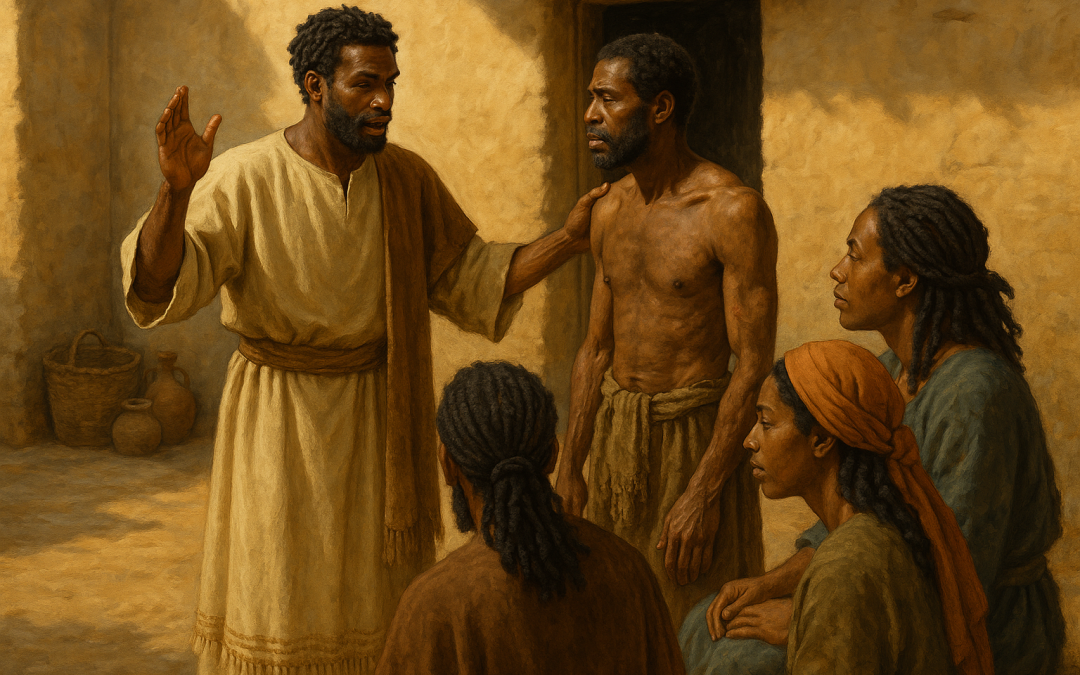
Leviticus 13:2 places the kohen at the center of diagnosis: when a person has a suspicious skin eruption, the kohen must inspect and decide whether it is tzara’at. This is not delegated to the laity; the priest is the covenant official who protects the sanctity of the camp and the purity required for communal worship.
Where the Torah instructs separation, it does so with precise procedure: those declared unclean are sent outside the camp until healing (see Leviticus 13:2 for the initial inspection). The regulations for cleansing and re-admission in Leviticus 14:2 and the extended provisions for houses in Leviticus 14:33–57 demonstrate a careful, ritualized path back into covenant fellowship once the condition is healed and ritual purity is restored.
Leviticus 14:2 and Leviticus 14:33–57 (House Case)
Leviticus 14:2 gives the general framework for the priest to pronounce a healed person clean and perform the necessary rites. Leviticus 14:33–57 extends these principles to the difficult case of tzara’at in a dwelling, with inspection, quarantine, cleansing, and in some cases, removal or purification of the house.
These laws reflect an integrated concern: the visible signs of impurity, the need for trained judgment, the responsibility to protect the community, and a ritualized path to restoration.
Diagnosis, Quarantine, and the Kohen’s Pastoral Role
The kohen’s role is both legal and pastoral. The inspection (Leviticus 13:2) requires knowledge, discernment, and mercy. Declaration of impurity carried social costs: exclusion from the assembly and from certain communal spaces. Yet the Torah’s procedures are not punitive for punishment’s sake; they are protective and remedial. The kohen must communicate the reasons for separation, provide instructions for daily life outside the camp, and remain available to guide the person toward restoration.
Rituals of Cleansing and Repentance
When healing is evident, Leviticus 14 sets out rites that combine physical cleansing with symbolic atonement: offerings, washing, hair removal, and the priest’s pronouncement. These acts provide visible closure, restore the individual’s status, and reestablish covenant relationships. While the Torah’s ritual forms are specific to the covenant community under El Elohiym (the singular Creator, above all mighty ones), the spiritual principles are clear: purification, restitution where relevant, and a public restoration that protects communal holiness while honoring human dignity.
Historical Examples: Miriam and Uzziah
Two historical cases in the Torah narrative and the Writings (Tanakh) illustrate the social and spiritual dynamics of tzara’at.
- Miriam (Numbers 12:10) — After speaking against Moses, Miriam was struck with tzara’at. The episode shows swift, public consequence for covenant breach, followed by a period of isolation outside the camp. The narrative emphasizes both Yah’s holiness and the reality of mercy: Moses prayed for her, and she was healed and restored.
- Uzziah (2 Chronicles 26:19–21) — King Uzziah’s punishment for unlawfully entering the temple to burn incense resulted in tzara’at. The chronicler records his immediate removal from kingly duties and his isolation until death, underscoring that even a monarch is subject to covenant boundaries. The community’s protection and the maintenance of priestly function were paramount.
These cases illustrate that tzara’at could be both a sign associated with sin and a test of covenant order; they also show the possibility of intercession and the limits of human leadership when it transgresses covenant law.
Pastoral and Communal Lessons
From the Torah’s laws and these narratives we draw practical, pastoral principles for households and leaders:
- Protect the assembly while preserving dignity. Separation was sobre and temporary where possible. In practice, provide for the basic needs of those isolated, keep communication channels open, and avoid shaming language.
- Use trained, accountable leadership. The kohen’s role was a safeguard. Communities today need knowledgeable spiritual leaders who combine legal fidelity with pastoral compassion.
- Offer clear steps toward restoration. Leviticus lays out stages — inspection, waiting, rites — that give the afflicted a path forward. Modern communities should likewise outline steps for repentance, restitution if required, healing, and public restoration.
- Practice intercession and communal responsibility. Miriam’s healing came after intercession; leaders must pray, advocate, and steward both holiness and mercy.
- Maintain covenant boundaries without cruelty. Uzziah’s fate warns leaders of the dangers of overstepping sacred roles; it also teaches that covenant order exists to protect worship and life.
Practical Steps for Compassionate Care
- Train leaders in the Torah’s principles so decisions are measured and consistent.
- Create care teams to meet material needs during isolation (food, shelter, communication).
- Provide clear instruction about conditions for return based on observed healing and communal rites of restoration.
- Preserve the person’s dignity: avoid gossip, offer pastoral counseling, and arrange public rites that honor their return.
Conclusion
The Torah’s handling of tzara’at in Leviticus 13–14, together with the narratives of Miriam (Numbers 12:10) and Uzziah (2 Chronicles 26:19–21), models a covenantal balance: holiness and health, accountability and compassion, boundaries and restoration. The kohen’s duties point us to the necessity of informed, faithful, and merciful leadership in protecting the assembly while seeking the redemption and reintegration of those who have been excluded.
May Yahuah (Yah), who calls His people to holiness, also show us how to shepherd one another in truth and love — following the Torah’s pattern of careful judgment, prayerful intercession, and dignified restoration under the authority of El Elohiym.