
Introduction
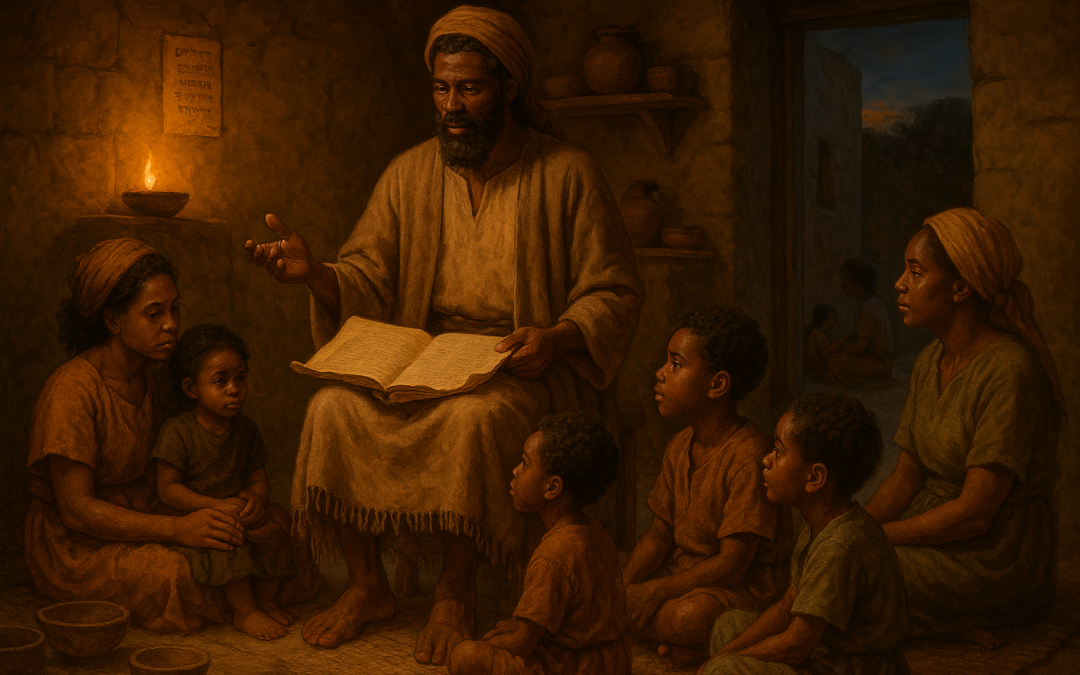
The Shema is the heart-song of covenant life. In Deuteronomy the command to remember, love, and teach the One true Creator is placed squarely within the home. For parents and household heads who seek to raise covenant children, embedding these commands into daily routines is not an optional piety but a primary duty. This teaching draws on the Yahudiym Sefer (Book) of Law (Deuteronomy 6:4–9; 11:18–21), Exodus 20:12, and Proverbs 1:8 to give practical, Torah-grounded steps for bringing the Shema into the rhythms of family life.
The Shema and Its Household Context
Deuteronomy 6:4–9 instructs the people of Israel (Yisra’el) to hear that Yahuah (Yah) is El Elohiym, to love Yahuah with all the heart, soul, and might, and to teach these words diligently to children. The following passage (Deuteronomy 11:18–21) repeats the injunction: place these words on your heart, bind them as a sign on your hand and forehead, and write them on your doorposts. These commands shape a domestic theology: the home is where covenant memory is formed and passed to the next generation.
Paraphrase: Hear, O Israel—Yahuah is our El; love Yahuah and teach these commands to your children, speaking of them at home and on the road, at morning and evening, and marking your doorposts with these words (see Deuteronomy 6:4–9; 11:18–21, Yahudiym Sefer of Law).
Principles for Torah-Centered Household Instruction
From these passages and related Torah teaching we draw several guiding principles:
- Consistency: Making Torah practices regular builds habit and memory (Deut. 6 admonition to speak of these words when sitting and rising).
- Visibility: Written or visible reminders—doorposts, family corners—keep the words present in daily life (Deut. 11).
- Ritual and Rhythm: Set times—mealtimes, Sabbath, morning and evening—anchor instruction in lived practice.
- Modeling and Authority: Parents and household heads lead by example; Exodus 20:12 and Proverbs 1:8 stress honoring parents and heeding parental instruction as part of covenant formation.
Practical Routines to Teach the Shema
1. Morning and Evening Recitation
Begin and end the family day with the Shema and a short related teaching. A simple routine: gather briefly after waking for a short recitation and again before bed. Keep the words brief and repeat them until children can say them by memory. Follow the recitation with a one- or two-sentence explanation appropriate to the child’s age (see Deut. 6:4–9).
2. Mealtime Blessings
Mealtimes are natural classroom moments. Before eating, offer a short blessing that acknowledges Yahuah as Provider (El Elohiym) and His covenant love. After the meal, take a moment of thanks and, when appropriate, ask children to name something Yahuah provided that day. Over time, connect these blessings to the Shema’s call to love Yahuah with all the heart.
3. Doorpost Reminders
Deuteronomy calls for words to be written on doorposts. In a modern home this may be a framed verse, a handwritten card by the front door, or a simple mezuzah-style reminder adapted to your community’s practice. The aim is not superstition but a visible covenant cue: every time the household passes the threshold, the mind is prompted toward Torah and testimony (Deut. 11:18–21).
4. Sabbath Rhythms
The Sabbath (Shabbat) is a weekly school for covenant children. Use the Sabbath to slow the pace: share Torah stories, sing Psalms, bless children, and demonstrate worship distinct from the weekday. Keep the evening and morning Sabbath liturgies simple and rooted in Torah commands so children associate rest with Yahuah’s covenant character.
5. Age-Appropriate Instruction
Teaching must fit the child’s capacity. For young children, focus on short, memorable lines, songs, and actions. For school-age children, introduce short stories of Torah figures (with Hebrew names beside English where helpful) that exemplify covenant faithfulness. For adolescents, engage deeper questions about obedience, repentance, and moral decision-making. Proverbs 1:8 and Exodus 20:12 affirm the importance of listening to a father’s instruction and honoring parents as part of covenant formation.
Discipline, Repentance, and Mercy
Raising covenant children includes discipline aligned with Torah: correction must point back to Yahuah’s standards and call to repentance. Discipline without instruction or mercy becomes harshness; instruction without correction becomes permissive. Combine firm, consistent correction with loving explanation so children understand both the rule and the reason. Teach repentance as a return—turning back to obeying El Elohiym—so discipline is formative, not merely punitive.
Modeling: The Most Powerful Teaching
Children learn most from what they see. Household heads must embody the Shema. When parents show love for Yahuah in speech, worship, and ethical action, children see covenant lived. Let your obedience, honesty, Sabbath observance, and acts of mercy be the primary sermon. As Exodus 20:12 and Proverbs 1:8 teach: honoring and listening to parents is woven into covenant life; parents must therefore be worthy of that honor.
Simple Daily Checklist for Families
- Morning recitation of the Shema (brief, age-appropriate).
- Mealtime blessing before and brief thanksgiving after meals.
- Visible covenant reminder at the main door (a verse card, framed line, or adapted mezuzah).
- Sabbath family rhythm: short Torah reading, songs, and a story of a righteous ancestor.
- Weekly family conversation: one covenant lesson drawing from Scripture and lived example.
Conclusion: The Home as Covenant School
Deuteronomy teaches that covenant life begins in the home. By shaping daily routines—morning and evening recitation, mealtime blessings, doorpost reminders, Sabbath rhythms, and age-appropriate instruction—parents and household heads form children in the fear and love of Yahuah. Use discipline and mercy together, and let your life model obedience to El Elohiym. With regular, simple practices the Shema moves from memory to life, and covenant children are raised to carry Torah faithfulness into the next generation.
Scripture references used: Deuteronomy 6:4–9; Deuteronomy 11:18–21; Exodus 20:12; Proverbs 1:8 (all cited from the Yahudiym Sefer (Book) of Law).
Note: This article is a teaching resource intended to guide household instruction in Torah practices. It does not claim divine inspiration for the author’s words; it points readers back to the Torah of Yahuah (Yah) and the example of faithful ancestors.