
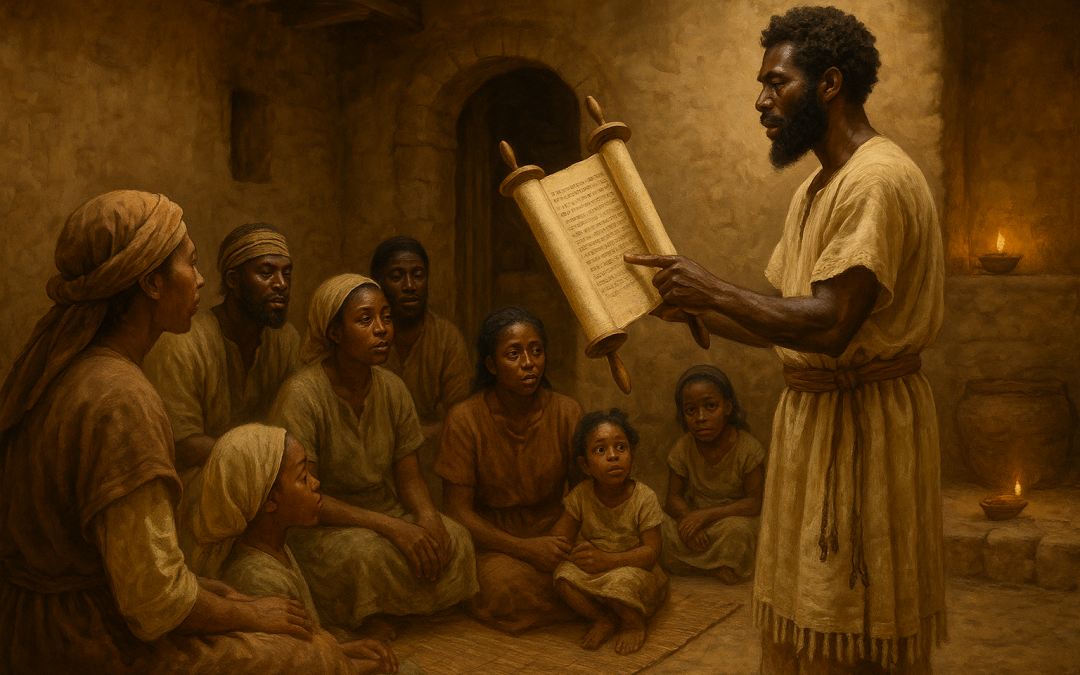
Introduction: Worship as Covenant Duty
Prayer and worship are not optional extras for the covenant people; they are central duties prescribed by the Yahudiym Sefer (Book) of Law. True devotion to Yahuah (Yah) flows from the covenant relationship. Worship expresses our recognition of El Elohiym—the One Creator above all mighty ones—and it calls us to obedience, humility, and service. This teaching draws on Torah-centered instruction to show how covenant duty, repentance (teshuvah), and righteous service work together in the life of the faithful.
Covenant First: Prayer & Worship Rooted in Relationship
The covenant is a real, binding relationship established by Yahuah with His people. Worship, including prayer, is a response to that covenant. It acknowledges Yahuah’s acts, His Name, and His commands as the foundation for our communal and personal life. The Yahudiym Sefer of Law repeatedly ties worship practices to covenant remembrance, holy times, and the commands given to Israel.
Worship as Obedience
When we approach prayer and worship we must not separate praise from obedience. True worship leads to doing the mitzvot commanded in the Torah. Prayer without right conduct is hollow; likewise, obedience without heartfelt worship becomes cold ritual. The two are joined: devotion stirs obedience, and obedience confirms devotion.
Paraphrase: The Torah calls the people to draw near to Yahuah with reverence, to keep His statutes, and to do what is right in His sight (see the teachings of the Torah and the prophetic reminders throughout the Seferim).
Repentance (Teshuvah): Returning to Covenant Faithfulness
Repentance—Hebrew teshuvah—means returning. It is the heart of renewal for individuals, families, and communities who have wandered from covenant ways. Teshuvah includes sincere sorrow for sin, confession before Yahuah, a turning away from the offense, and concrete steps to repair the breach.
Elements of Teshuvah
- Acknowledgment: Recognize and name the wrong before Yahuah and, where needed, before those harmed.
- Confession: Humble admission in prayer and, when appropriate, confession within the community.
- Turning: Intentional, concrete change of behavior to avoid repeating the transgression.
- Restitution: Repair and reconciliation when others have been wronged.
- Renewal of Covenant Commitment: A renewed pledge to walk in the statutes of the Yahudiym Sefer of Law.
Teshuvah is both personal and corporate. The leaders of Israel were often called to lead the people in communal repentance when covenant unfaithfulness spread (as the Torah and the Prophets attest). Prayer led by faithful elders and priests can be a public instrument of restoration.
Righteous Service: Worship Expressed in Deeds
Righteous service is what worship looks like in everyday life. It is not merely liturgical acts but a life shaped by Torah instruction: justice, mercy, care for the stranger, the fatherless, and the widow; honest business, faithful marriage, and disciplined stewardship. Such service honors Yahuah and fulfills covenant obligations.
Practical Marks of Righteous Service
- Faithful observance of Torah commands in personal and family life.
- Regular prayer that confesses dependence on Yahuah and seeks His guidance.
- Communal worship that acknowledges corporate responsibility and mutual encouragement.
- Compassionate action toward the poor and oppressed as an expression of covenant love.
- Holiness in daily conduct—speech, work, and relationship—reflecting El Elohiym’s character.
Prayer: Conversation, Intercession, and Covenant Remembrance
Prayer is the vehicle by which the covenant people speak to Yahuah and listen for His voice. It includes praise, confession, thanksgiving, petition, and intercession. The Yahudiym Sefer of Law establishes seasons and appointed times for remembrance; prayer at these times reaffirms covenant identity and dependence.
Intercession on behalf of the community, for leaders, and for those who suffer is a vital part of covenant life. Prophetic models in the Seferim show leaders who stood in the breach in prayer for the people. Today, families and congregations must likewise practice intercession as an act of service.
Family and Community Application
Torah-centered worship shapes households and communities. Parents lead by teaching the ways of Yahuah to children, by regular home prayer, and by modeling righteous service. Elders and priests—men appointed to lead Torah instruction in mixed settings—bear responsibility to teach and to guide public worship. Women play vital roles: raising the next generation, teaching other women and children, supporting community life, and participating in prayer and service in ways that honor the Torah’s order.
When a household or congregation practices teshuvah together, follows the appointed times for worship, and serves the vulnerable, the presence of Yahuah is honored and the covenant remains vibrant.
Yahshua/Jesus and the Covenant Community
In the renewed obedience of the covenant people, the movement of truth seen in the Renewed Covenant writings is read in light of Torah. References to Yahshua/Jesus should be held alongside the Torah-centered witness, honoring the continuity of covenant faithfulness. Prayer and righteous service remain the outward fruit of inward return to Yahuah.
Practical Steps for Individuals and Communities
- Set regular times for family prayer and Torah reading; teach children the ways of the covenant.
- Call for seasons of communal teshuvah when sin is evident; lead public confession and restitution under qualified male leadership.
- Engage in acts of service for the poor and marginalized as central expressions of worship.
- Ensure leaders teach from the Yahudiym Sefer of Law, connecting prayer and worship to covenant duties.
- Practice accountability with humility and a goal of restoration rather than shame.
Conclusion
Prayer and worship in the covenant are a whole-life response to Yahuah. They call for humility, obedience, sincere teshuvah, and tangible righteous service. As we honor El Elohiym and keep the ways of the Yahudiym Sefer (Book) of Law, our prayer becomes living worship, and our lives testify to the reality of the covenant. May our communities be marked by faithful men who teach Torah, households that practice teshuvah, and a people whose service reflects the holiness of Yahuah.