
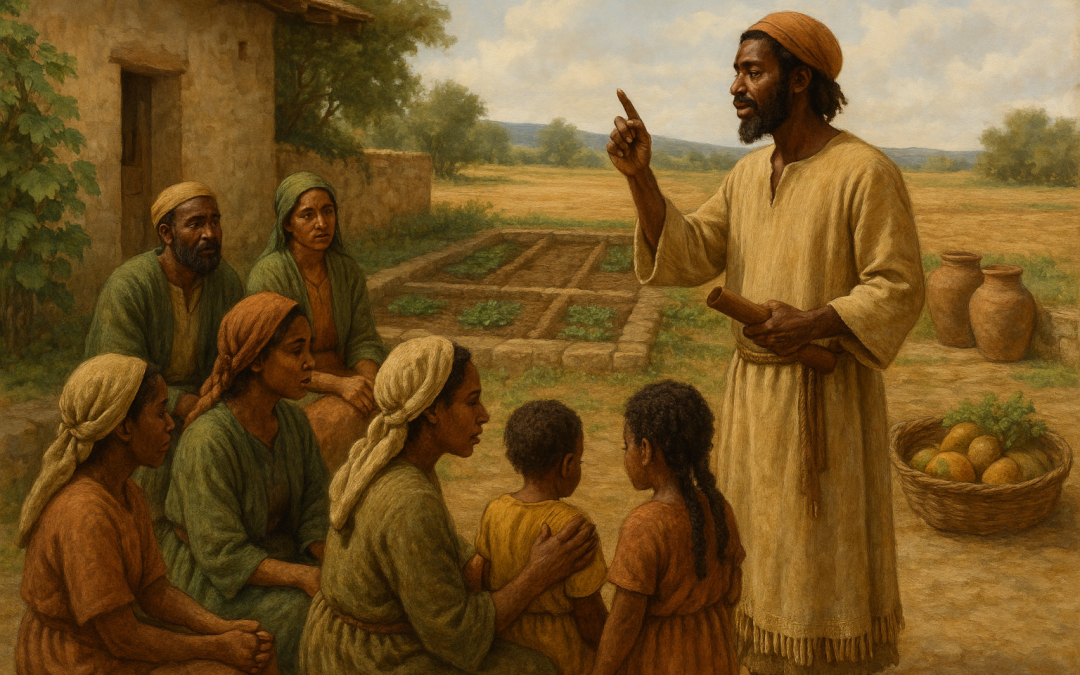
Introduction: Covenant Duty and Household Formation
The Shemitah (Sabbatical Year) is a covenant instruction of El Elohiym (God) given to Israel in Torah (Law or Instruction). As taught in the Yahudiym Sefer (Book) of Law, Shemitah calls families, communities, and the land itself to rest, release, and trust in Yahuah (Yah). This teaching draws from the Torah passages that frame the Sabbatical Year and the release of debts: Leviticus 25, Deuteronomy 15, and the instruction about the resting of fields in Exodus 23:10-11. Below we set out clear, humble, and practical steps for contemporary households to live out Shemitah principles while remaining faithful to Scripture and mindful of lawful adaptations.
Scriptural Foundation (summary)
Leviticus 25: outlines the Shemitah year as a sacred seventh year when the land rests and freedom is proclaimed; Deuteronomy 15: teaches the release (remission) of debts every seven years; Exodus 23:10-11 commands that fields be left to rest and produce for the poor and the wild creatures.
These passages are presented here as summary paraphrases to guide faithful application. They are not verbatim quotations.
1. Planning Household Finances for a Release Year
Observing a Shemitah principle in a modern household requires intentional planning. Begin well in advance—ideally 1–3 years before the planned Sabbatical Year—so your family can prepare without panic and with covenant reverence.
Practical budgeting steps
- Inventory income and obligations. List all recurring income, fixed expenses, debt balances, and seasonal expenditures. Include tithe and charitable commitments.
- Create a Shemitah reserve. Build a liquid buffer to cover ordinary household needs during the release year. Consider saving a modest monthly portion designated for this reserve so that provision is not dependent on last-minute measures.
- Adjust spending categories. Reduce discretionary spending in the years leading up to the Sabbatical Year; prioritize food security, utilities, medical needs, and community obligations.
- Plan food and garden cycles. Rotate and preserve food during the prior years—drying, preserving, and canning—to provide during the fallow period if you will rest your garden.
- Communicate with household members. Shared expectations reduce anxiety. Teach children simple budgeting and the spiritual reasons for adjustments.
2. Compassionate Debt Release and Community Support
The Torah teaches a release of debts as an act of mercy and covenant faith. Modern households should aim for compassionate, lawful steps rather than abrupt unilateral action that could create harm.
Steps for compassionate debt release
- Identify eligible debts. Differentiate between consumer, family, and business debts. Some contractual obligations (especially modern loan instruments) may require lawful negotiation rather than immediate annulment.
- Open honest communication with creditors. Approach lenders or creditors with humility and request compassionate terms, referencing your intention to live by the Torah principle of release. Many creditors will agree to adjusted payment plans rather than formal cancellation.
- Use written instruments for voluntary release. Where you choose to forgive a personal debt, document your intent: a short written statement that records the names, amounts, and the granting of release as a covenant act. This provides clarity and prevents future dispute.
- Engage community elders or trusted leaders. Involve an elder or household head (a respected Israelite man in mixed settings for Scripture instruction) to witness and bless the release. This honours communal accountability and worshipful observance.
- Build communal relief resources. Consider a household-led small relief fund or barter network to assist neighbors rather than merely cancelling obligations that would cause hardship for others.
3. Allowing Land and Gardens to Rest or Making Ethical Arrangements
Exodus 23:10-11 and Leviticus 25 teach that the land must rest. For modern households with gardens, small farms, or rented land, the principle is to provide fallow time and to protect the vulnerable.
Practical options for land stewardship
- Planned fallowing. Rotate garden beds and allow portions to lie fallow for a season or year. During rest, focus on soil-building practices (compost, mulching) that do not violate the spirit of rest.
- Community sharing. Invite those in need to glean from rest areas, or arrange that produce grown in the year prior is set aside for distribution during the Shemitah year.
- Ethical rental arrangements. If you lease or rent land, make agreements in advance that honor the spirit of Shemitah: short-term leases timed to permit fallow periods, fair rents, and options for tenants to participate in communal rest arrangements.
- Commercial or legal adaptations. Where contemporary land law complicates literal fallow, seek lawful counsel and enact voluntary measures (e.g., reduced cultivation, conservation set-asides) that reflect obedience and compassion.
4. Teaching Children Covenant Trust and Generosity
Shemitah is a living lesson for children about dependence on Yahuah (Yah) and responsibility to neighbor. Use teaching moments to form character, not only compliance.
Family practices
- Explain terms simply. Introduce terms: Shemitah (Sabbatical Year), Shabbat (Sabbath), Torah (Law). Tell age-appropriate stories of provision and mercy.
- Practice small acts of release. Let children forgive small debts among siblings or donate a portion of their allowance to help a neighbor.
- Model sacrificial giving and trust. When parents reduce consumption or share food, explain why—showing faith that El Elohiym provides.
- Celebrate the release. Mark the Shemitah year with family meals, teaching times, and prayers that point to Yahshua (Jesus) as the One who fulfilled deeper truths of mercy and rest, while keeping the Torah context clear.
5. Lawful, Humble Adaptations for Modern Households
We must avoid either rigid literalism that harms people or casual disregard for Yahuah’s instructions. Here are principles for lawful adaptation:
- Honor the spirit and obey the law. Aim to live according to the commands of the Torah while seeking lawful means to implement them in modern legal systems.
- Seek counsel and community. Consult trusted Torah teachers, elders, and competent legal counsel where modern contracts or property laws complicate full surrender.
- Prefer voluntary, relational solutions. Voluntary forgiveness, negotiated relief, and charitable sharing reflect the heart of Shemitah more than circumvention.
- Document and bless. Record agreements and hold a household ceremony of release—prayer, Scripture reading (Leviticus 25; Deuteronomy 15; Exodus 23:10-11 references), and communal testimony—to root the action in covenant faith.
Conclusion: The Heart of Shemitah
Shemitah calls households to trust Yahuah (Yah), show mercy to neighbors, and steward the land with humility. Practical planning, compassionate debt practices, ethical land stewardship, intentional teaching of children, and lawful adaptations allow modern families to obey the Torah faithfully. Let every household act with repentance, worship, and dependence on El Elohiym, seeking to honor the covenant promises while serving the needy and praising Yahuah.
Further study: Read Leviticus 25; Deuteronomy 15; Exodus 23:10-11 in the Yahudiym Sefer (Book) of Law and discuss with your local assembly elders for congregation application.