
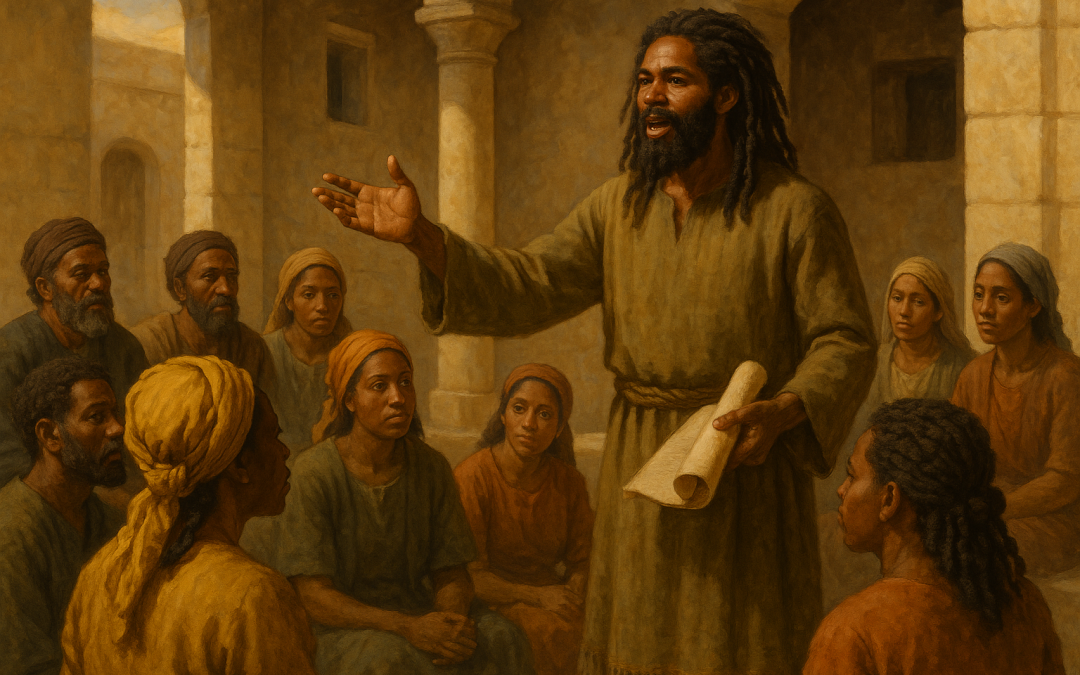
Introduction: A Torah Foundation for Local Justice
This teaching draws from the Yahudiym Sefer (Book) of Law and the example of our teacher Moses (Mosheh), to give practical, covenantal instruction for households and assemblies seeking to establish local courts and appoint leaders. We write with reverence for the Torah (Law or Instruction) and the authority of Yahuah (Yah) and with clarity about the role of Yahshua (Jesus) as Savior. Our aim is obedience, righteous order, and the fear of El Elohiym (the Creator above all mighty ones) guiding communal life.
Scriptural Pillars (paraphrased)
- Exodus 18:13-27 — Jethro advised Mosheh to appoint able leaders to judge smaller cases and bring only the difficult matters to him, thereby preserving Mosheh’s strength and establishing a decentralized system of judges.
- Deuteronomy 16:18-20 — Commands to appoint judges and officials in every town, to judge righteously, and to follow justice so that Yahuah may bless the work of the people.
- Deuteronomy 1:9-18 — Mosheh recounts appointing chiefs, captains, and judges to bear the burden of leadership as the people multiplied.
- Leviticus 19:15 — A prohibition against partiality in judgment: judge your neighbor with righteousness, whether rich or poor.
- Proverbs 31:8-9 — An exhortation to speak up for the voiceless and defend the rights of the afflicted.
Principles for Covenant Courts
From these passages emerge clear, practical principles for any household or assembly forming courts and appointing leaders.
1. Appoint Men and Women of Fear-of-God
Choose those who demonstrate the fear of Yahuah (Yah), integrity, humility, and instruction in the Torah (Law or Instruction). Exodus 18 emphasizes selecting “able men” who fear God, are trustworthy, and hate dishonest gain. In practice, an appointee should be known for covenant faithfulness, regular Torah study, and a life marked by repentance and obedience.
2. Qualifications and Character
- Fear of Yahuah: A primary trait; decisions should flow from reverence for El Elohiym and covenant law.
- Impartiality: As Leviticus 19 commands, no partiality for the rich or poor. The judge must not be swayed by kinship, status, or bribes.
- Wisdom and Teaching Ability: Able to explain Torah, teach application, and lead with clarity.
- Temperament: Patient, slow to anger, attentive to both facts and motives.
- Reputation: Respected within the assembly and household; a record of righteous conduct.
3. Selection Process
- Nomination and Vetting: Community-led nominations, vetted by existing elders or a trusted council. Consider testimony from neighbors, teachers, and family.
- Public Affirmation: An assembly meeting where nominees are presented, questions are asked, and the community gives consent. This mirrors the communal nature of covenant responsibility.
- Oath and Covenant: A brief, Torah-shaped oath invoking Yahuah, asking for wisdom and impartiality, and promising to follow the Yahudiym Sefer (Book) of Law. Note: do not frame this as new revelation, but as covenant accountability.
- Training: New appointees receive instruction in hearing procedures, record-keeping, and dispute resolution rooted in Torah and practical wisdom.
Structure of Hearing Procedures
Clear, consistent procedures protect the accused, the victim, and the community. The following structure is practical for households and small assemblies.
1. Triage of Cases
Following Exodus 18, appoint judges to hear small and routine matters; reserve elders or a higher assembly for complex, communal, or criminal disputes. This prevents overburdening a single leader and provides accessible justice.
2. Fair Hearing Practices
- Open Accusation: Parties present claims before the judges with witnesses as needed.
- Two-Witness Rule: Where applicable, require corroboration; this protects against false accusations and follows Torah safeguards.
- Impartial Adjudication: Judges must recuse themselves for conflicts of interest. Leviticus 19’s command against partial judgment is central.
- Right to Speak: Both parties may present; Proverbs 31:8-9 compels judges to protect the voiceless.
3. Record-Keeping and Appeal
Maintain concise records of decisions, reasons, and any penalties or restitution ordered. Provide an appeal path to a larger council or neighboring assembly if a party believes justice was not done. This mirrors the layered approach of Deuteronomy and Moses’ delegation.
Measures to Cultivate Fear-of-God Justice
Justice is not merely procedural; it grows from covenant life.
- Regular Torah Instruction: Teach families and assemblies the laws and the spirit behind them. Make Torah study central so that judges and people know why decisions are made.
- Accountability and Repentance: Leaders must be answerable to the assembly. When leaders fail, provide a path for confession, restitution, and restoration where appropriate.
- Public Worship and Covenant Reminders: Use festivals and Shabbat (Sabbath) gatherings to renew commitments to justice and mercy.
- Protect the Vulnerable: Prioritize care for widows, orphans, sojourners, and the poor. Justice that ignores the afflicted is not Torah justice.
- Modeling by Leaders: Leaders must live transparently—financial integrity, open doors for counsel, and visible service to the assembly.
Household and Assembly Application
For households: appoint household adjudicators or elders for family disputes who meet the qualifications above. For assemblies: form a standing council with rotating judges to prevent monopoly and encourage broader responsibility.
Remember that every measure should aim to honor El Elohiym, protect the covenant community, and reflect the mercy and justice of the Torah. Like Mosheh’s wise delegation, lawful structures preserve leaders for greater tasks and make justice accessible to all.
Conclusion
Establishing covenant courts is a sacred task. Ground selection and procedure in the Yahudiym Sefer (Book) of Law, choose leaders who fear Yahuah, and build systems that are impartial, teachable, and accountable. As Proverbs commands, speak up for the voiceless; as Deuteronomy commands, appoint righteous judges; as Exodus shows, organize wisely. May our communities reflect the justice and mercy of El Elohiym while walking in obedience and reverence.
Scripture references paraphrased from the Yahudiym Sefer (Book) of Law: Exodus 18:13-27; Deuteronomy 16:18-20; Deuteronomy 1:9-18; Leviticus 19:15; Proverbs 31:8-9.