
Introduction
Hospitality is not a mere social courtesy in the Yahudiym Sefer (Book) of Law; it is a covenant duty. The Creator, El Elohiym (God), who is one above all mighty ones, instructs Israel to care for the vulnerable stranger. This teaching looks at narrative and legal material in Genesis 18:1–8; Exodus 22:21; Exodus 23:9; Leviticus 19:33–34; and Deuteronomy 10:18–19, and draws practical, household-ready application for Sabbath (Shabbat) and festival tables, family liturgies, and community formation. In all we write, we honor Yahuah (Yah) and point to Yahshua/Jesus as necessary for readers’ clarity where relevant.
Scripture and Narrative Example: Genesis 18:1–8
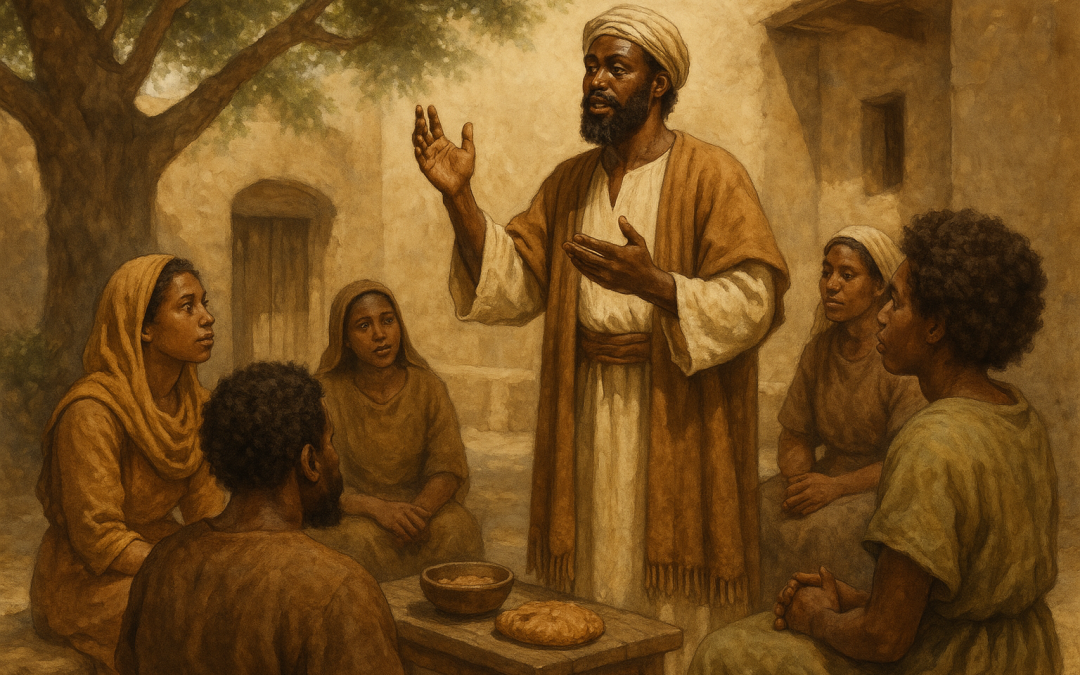
Genesis 18:1–8 narrates Abraham’s (Avraham) prompt and lavish hospitality toward three visitors. Abraham runs, prepares water, bakes bread, selects a calf, and stands by his guests under the oak of Mamre. This narrative serves as a model: hospitality grounded in swift service, respect, provision, and a household shaped to receive strangers without hesitation.
Note: Scripture references are quoted here by summary. For fuller reading, please consult the Yahudiym Sefer of Law passages listed above.
Torah Commands Concerning the Stranger (ger and toshav)
The Torah issues direct commands to protect and welcome the stranger. Exodus 22:21 and 23:9 warn Israel not to wrong or oppress the stranger. Leviticus 19:33–34 instructs: when a ger (גֵּר, ger — a sojourner or foreign resident) resides among you, you must treat him with love as one of your own and you were strangers in the land of Egypt. Deuteronomy 10:18–19 emphasizes that Yahuah executes justice for the fatherless and the widow and loves the stranger, and therefore Israel must also love the stranger. These are not optional acts of charity but covenant obligations tied to Israel’s memory of redemption and the nature of El Elohiym.
Hebrew Word Studies: ger and toshav
- ger (גֵּר) — literal English: sojourner, foreigner, one who resides temporarily in a land that is not their native homeland. In Torah usage ger often denotes an alien living among Israel who is under Israel’s protection and responsibilities.
- toshav (תּוֹשָׁב) — literal English: resident, inhabitant, one who dwells in a place. Toshav can be a long-term resident whose status differs in certain legal areas from a ger, but both persons are to receive protection and justice under Torah.
When the Torah repeats commands about ger and toshav, the covenant reason is explicit: Israel remembers its own past as strangers in Egypt and reflects the character of El Elohiym who defends the vulnerable.
Covenant Reasons for Welcoming the Stranger
There are several covenantal reasons why Torah insists on welcoming the stranger:
- Remembering Redemption: Israel’s own experience of being strangers in Egypt is the moral ground for empathy (Leviticus 19:34; Deuteronomy 10:19).
- Reflecting Divine Justice: El Elohiym defends the widow, orphan, and stranger (Deuteronomy 10:18); Israel’s justice toward strangers reflects the character of the Creator.
- Communal Purity and Covenant Identity: How a household treats the outsider reveals the health of faith lived within the community; hospitality cultivates righteousness and repentance, not license for abuse.
Practical, Household-Ready Guidance
True Torah hospitality is practical and bounded. Below are Sabbath and festival practices, sample family blessings and short guest liturgies, and guidance to prevent abuse of the vulnerable.
Sabbath (Shabbat) and Festival Table Practices
- Keep a basic guest kit: extra challah or bread, a pot of prepared stew or grain, clean linens, and a small bowl for ritual hand-washing. These allow quick, dignified welcome like Abraham’s.
- Designate a “guest place” at the table to ensure guests are visibly honored. On Shabbat invite guests to share kiddush and the family meal. Use gracious speech and ask respectful, open questions to include them in family prayers.
- On festivals (Moedim), prepare one extra portion of the festival meal and a small portion for travelers or a nearby ger household. Remember the poor and the stranger as part of the festival liturgy.
Sample Family Blessing and Short Guest Liturgy
Simple, household-ready words to use when receiving a guest:
“Welcome in the name of Yahuah (Yah). May El Elohiym bless you with peace (shalom) at our table. We remember love for the ger — you are safe with us.”
For a short guest liturgy at the table:
- Lighting words: “We kindle this light in gratitude to Yahuah for life and for this encounter.”
- Saying grace: recite the household blessing over bread and wine, then add: “We open our home to those in need; may all who sit with us know Yahuah’s kindness.”
- A closing blessing: “May you go in peace; may El Elohiym shelter and defend you.”
Boundaries and Justice: Preventing Abuse of the Vulnerable
Torah hospitality is not a license for exploitation. Exodus 22:21 and 23:9 forbid oppressing the stranger; Leviticus teaches love and just treatment. Practical safeguards include:
- Verify needs compassionately: ask questions, listen, and where appropriate connect guests to community resources or elders for longer-term assistance.
- Set household boundaries clearly: establish length of stay, chores, contributions, and mutual expectations in a respectful way.
- Protect the vulnerable: do not permit situations that risk children, elders, or others. If abuse is suspected, involve elders, community leaders, or lawful authorities as Torah calls for righteous judgment.
Steps to Build Lasting Covenant Community Through Regular Hospitality
- Teach household members the Torah texts about ger and toshav; make these texts part of family study and Shabbat conversation.
- Schedule regular open-table evenings or monthly Shabbat meals where guests are expected and prepared for.
- Form a neighborhood covenant of households that rotate hospitality for travelers and those in need, sharing burdens and protections.
- Train a small team in discernment: practical aid, boundary-setting, and referral to community help for employment, health, or legal needs.
Conclusion
Hospitality in Torah is theological, ethical, and practical. The narrative of Abraham in Genesis 18:1–8 shows the ideal posture of swift, humble service. The commandments in Exodus, Leviticus, and Deuteronomy make welcoming the ger and toshav a covenant obligation tied to the character of El Elohiym and Israel’s memory of redemption. When households practice measured, loving hospitality—honoring Shabbat and festival table traditions, offering clear blessings and liturgies, and maintaining just boundaries—they shape durable covenant communities that reflect Yahuah’s heart for the stranger.
May your household be a place of safety, justice, and covenant welcome, and may all our practices lead us to greater obedience to the Torah (Law or Instruction) and to the ways of El Elohiym.