
Introduction
Among the first instructions given to humanity and later enshrined in the Yahudiym Sefer (Book) of Law, Shabbat (Sabbath) and the appointed times (mo’edim) shape Israel’s calendar of covenant worship. These holy times are not merely ritual observances; they are covenant signs, opportunities for repentance, teaching, family formation, and praise to El Elohiym, the Creator above all mighty ones. This teaching explains the Torah foundation for Sabbath and the appointed times, gives historical context, and offers practical and communal application for those who seek to walk in Torah obedience under Yahuah (Yah), with due recognition of Yahshua/Jesus as an Israelite who observed these practices in his day.
What Is Shabbat (Sabbath)?
Shabbat (Sabbath) is the weekly day of rest set apart by Yahuah. The Torah places it at the heart of Israelite life as a holy time to cease ordinary labor and to remember the Creator’s rest following the work of creation. In summary form, the Torah commands the people to remember and keep the Sabbath day holy; it is a sign between El Elohiym and Israel to sanctify time by setting it apart for rest and service to the Most High (see Exodus 20:8–11; Deuteronomy 5:12–15; Genesis 2:2–3).
Paraphrase (Exodus 20:8–11): “Remember the Sabbath day and keep it holy—six days you shall labor and do all your work, but the seventh day is a Sabbath to Yahuah. In it you shall not do any work… for in six days Yahuah made the heavens and the earth, and rested on the seventh day.”
Meaning and Purpose
- Covenant sign: Shabbat marks Israel as a covenant people called to observe the Creator’s rhythm of work and rest.
- Sanctified time: It separates ordinary time from sacred time—an opportunity for Torah teaching, worship, family fellowship, and mercy toward neighbor and stranger.
- Mercy and social justice: The cease of regular labor protects servants, animals, and the poor, reinforcing social care within the community (see Deuteronomy 5:12–15 for the Exodus motif).
The Appointed Times (Mo’edim)
The appointed times—called mo’edim in the Torah—are the annual seasons Yahuah set for Israel to assemble, remember, and celebrate redemptive acts. The primary list of these holy convocations is presented in Leviticus 23. These are not optional festivals limited to ceremony; they are covenanted times for teaching, repentance, and corporate renewal under El Elohiym.
Key Appointed Times (with Hebrew names)
- Pesach (Passover) — remembrance of the Exodus and the deliverance from Egypt.
- Chag HaMatzot (Feast of Unleavened Bread) — a season of removing leaven, symbolically pointing to holiness and separation.
- Shavuot (Feast of Weeks, Pentecost) — the giving of the Torah and the first fruits of the grain harvest.
- Yom Teruah (Feast of Trumpets) — a call to gathering, remembrance, and preparation.
- Yom Kippur (Day of Atonement) — solemn day of repentance, cleansing, and reconciliation with El Elohiym.
- Sukkot (Feast of Tabernacles) — a time of dwelling in booths, thanksgiving for provision, and prophetic hope in God’s presence.
Leviticus 23 provides the authoritative presentation of these seasons and their required assemblies. Each mo’ed includes specific offerings and practices intended to teach Israel about sanctification, dependence on Yahuah, and the story of redemption.
Historical Context and Yahshua/Jesus
These Sabbaths and appointed seasons shaped Torah life in the Second Temple period and the life of the Galilean Torah-observant communities. The Gospels record that Yahshua/Jesus participated in synagogue worship and observed the appointed times, reflecting continuity with Israel’s Torah life (for example, the Gospels describe him teaching in synagogues and observing Passover). Observing how Israel’s Teacher honored these practices gives us a model for faithful covenant life without introducing extra-Torah innovations.
Covenant Duty: Why Observance Matters
Observance of Shabbat and the appointed times is more than cultural tradition; it is a covenant obligation rooted in the Creator’s command. The duties include:
- Ceasing ordinary labor and sanctifying time for rest and worship.
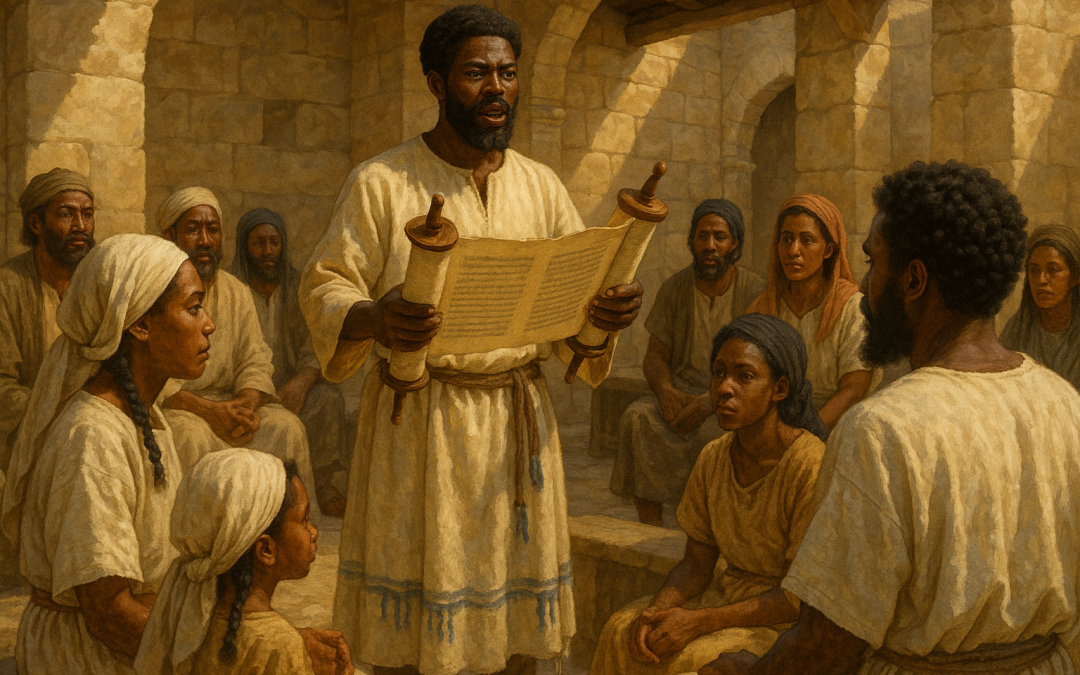
- Gathering for Torah instruction: fathers and mothers teach the next generation the meaning of these days.
- Repentance and atonement: especially on Yom Kippur, the community examines itself before El Elohiym and seeks reconciliation.
- Hospitality and mercy: using holy time to feed the poor, welcome strangers, and strengthen family bonds.
Practical Guidance for Families and Communities
Walking faithfully in Torah means bringing the rhythms of Shabbat and the mo’edim into daily life with intention:
- Prepare wisely: Sabbath preparation removes the need for ordinary tasks and allows the household to enter rest.
- Teach the children: use story, meal, and Scripture to explain why these times are set apart. Fathers and mothers share Torah and encourage questions.
- Make worship communal: simple assemblies for reading from the Torah, singing, and testimony build corporate faithfulness.
- Practice mercy: bring food to the needy, visit the lonely, and use sacred time to do acts of kindness that reflect El Elohiym’s character.
- Remember the prophetic dimension: the mo’edim point beyond the present to the true ingathering and restoration of all things under El Elohiym.
Conclusion
Shabbat and the appointed times are gifts from El Elohiym woven into the covenant life of Israel. They teach dependence on Yahuah (Yah), shape holy community, and instruct the heart in righteousness and mercy. As we observe these sacred rhythms with reverence—teaching our children, serving our neighbors, and sanctifying time—we fulfill a central Torah duty that marks us as a people called to know and honor the Creator.
May Yahuah grant us wisdom to observe these days faithfully, to love Torah, and to walk in the covenant ways entrusted to Israel.